

Beachcombing with Children: What to Look For and How to Leave No Trace
Beachcombing with children in the UK is a simple way to make a coastal walk feel like an adventure. The search might begin with shells and smooth stones, but it often becomes a lesson in patterns, tides, birds and the different textures of a beach.
The most responsible approach is to treat the shore as a place to observe rather than collect. Take photographs, make a temporary display in the sand and return anything you move. That keeps the activity curious without taking away from the beach’s natural character.
Turn the walk into a gentle treasure hunt
Give children a short list of things to notice: a shell with a spiral, a stone with an unusual colour, seaweed in different shapes, a line left by the tide or a bird seen from a respectful distance. Avoid making the list a competition. The point is to slow down and look closely.
Bring a small bucket only for water or sand that will be returned immediately, plus a bag for litter you find. Do not encourage children to pick up live creatures, nests or anything they cannot identify.
Talk about tides and safe places
Beachcombing is easiest when everyone understands where to walk. Check tide and weather information, read local signs and keep a safe distance from the water and cliffs. The RNLI beach-safety guidance is a useful starting point for families [1]. If conditions change, the right decision is to leave the beach, not to finish the list.
Wear shoes that suit uneven ground and bring a layer even on a warm day. Wet sand, rocks and seaweed can be slippery, so keep younger children close and avoid climbing on unstable surfaces.
Leave the beach as you found it
Shells and stones may look plentiful, but they form part of the beach environment. Leave larger natural material where it is, do not disturb wildlife and take every piece of packaging home. If you make a sand pattern, let the tide erase it rather than adding anything that does not belong.
This gentle approach also makes the activity repeatable. Children can return to the same beach and notice how the tide, weather and season change what is visible.
Make it part of a flexible family break
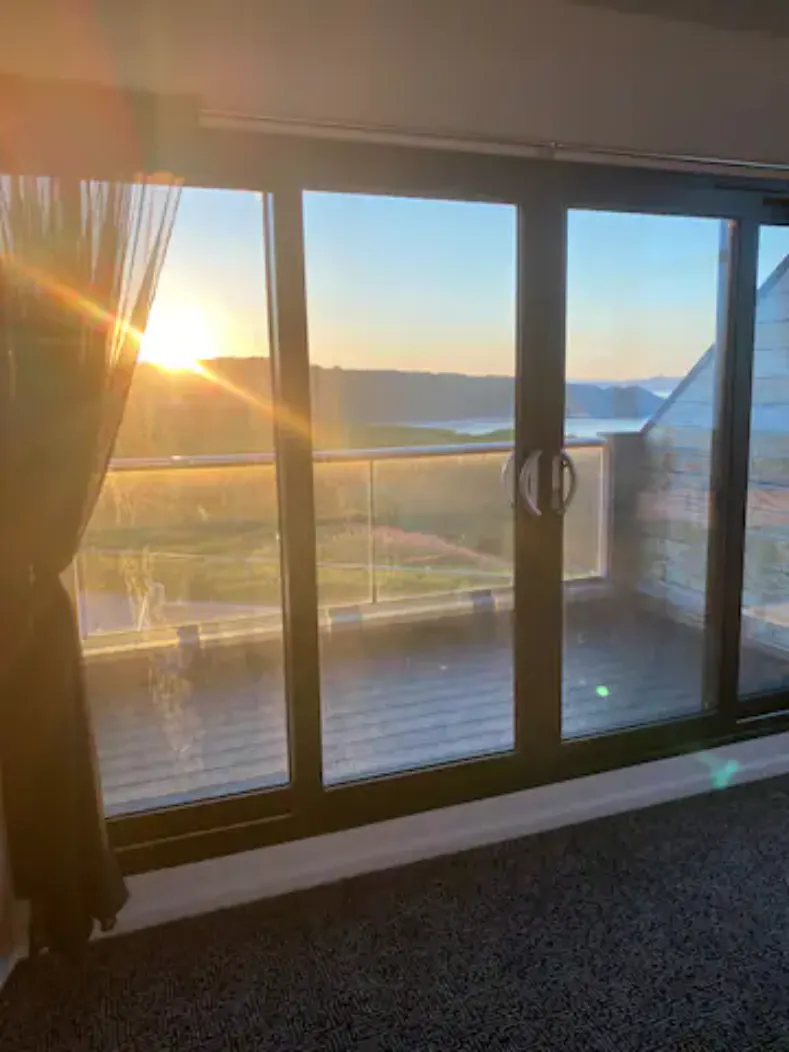
Castle Sunset on the Beach in Cayton Bay gives families space to continue the day after the beach. There is a fully equipped kitchen, games, an enclosed garden and a private hot tub, while up to eight guests can share the property. Bring shells only in photographs, then make a small digital collection when you get home.
For more local ideas, browse the Things To Do guide and check current visitor information through Visit Scarborough [2].
Frequently asked questions
What should children wear for beachcombing?
Comfortable shoes with good grip, layers and clothing that can cope with sand and spray. Bring a towel and a change of clothes for younger children.
Can children collect shells from the beach?
It is better to look, photograph and return finds. Never take living creatures or disturb nests, habitats or protected features, and follow local signage.
Can we bring our dog to the beach?
Castle Sunset on the Beach welcomes up to two well-behaved dogs, but beach access rules can vary. Check the current local rules before letting a dog onto the sand.
Plan your Castle Sunset stay
Give children a beach, a little curiosity and a comfortable place to return to. For a sea-view base with games, a hot tub and room for up to eight guests, check availability at Castle Sunset on the Beach.
For more coastal inspiration, browse the Castle Sunset Blog, explore local Things To Do, or contact us with a question about the property.
References
[1]: https://rnli.org/safety/beach-safety "RNLI — Beach Safety" [2]: https://www.visitscarborough.com/ "Visit Scarborough — Official Visitor Information"
EOF
Tags
Written by
Phil Scaife
Phil is the owner of Castle Sunset on the Beach and has been hosting guests on the Yorkshire Coast for over five years. He knows Scarborough and Cayton Bay inside out — from the best hidden beaches to the quietest parking spots. When he's not hosting, he's usually walking the Cleveland Way or sampling the local fish and chips.
More posts by Phil →You Might Also Like

How to Plan a Memorable Family Reunion in a Holiday Home
A family reunion works best when there is enough space for togetherness and enough privacy for everyone to take a break. Use these practical planning ideas to make the shared holiday feel warm rather than complicated.
Read more
A No-Rush Guide to Exploring Scarborough with Teenagers
Teenagers rarely need a timetable packed with family activities. They need some choice, a comfortable base and the freedom to take part without being watched every minute. This guide keeps a Scarborough break enjoyable for the whole group.
Read more
Planning a Stress-Free Family Beach Holiday Yorkshire: A Parent’s Guide
Embarking on a family beach holiday Yorkshire requires careful preparation, thoughtful pacing, and reliable beach safety planning. Discover how to balance coastal adventures with relaxing downtime at Castle Sunset in Cayton Bay, ensuring every member of the family enjoys a memorable, stress-free getaway by the North Sea.
Read more