

A Gentle Guide to Yorkshire Coast Wildlife Watching from Cayton Bay
There is a distinct stillness that settles over the headlands when the morning mist clears above Cayton Bay. Standing by the window with a warm mug of tea, watching gulls wheeling gracefully against the North Sea horizon, you are immediately reminded that this coastline is alive with movement, sound, and natural character. For anyone visiting our neck of the woods, engaging in ethical Yorkshire Coast wildlife watching offers a wonderful opportunity to slow down, attune your senses, and appreciate the rich biodiversity that flourishes right on our doorstep here in Scarborough.
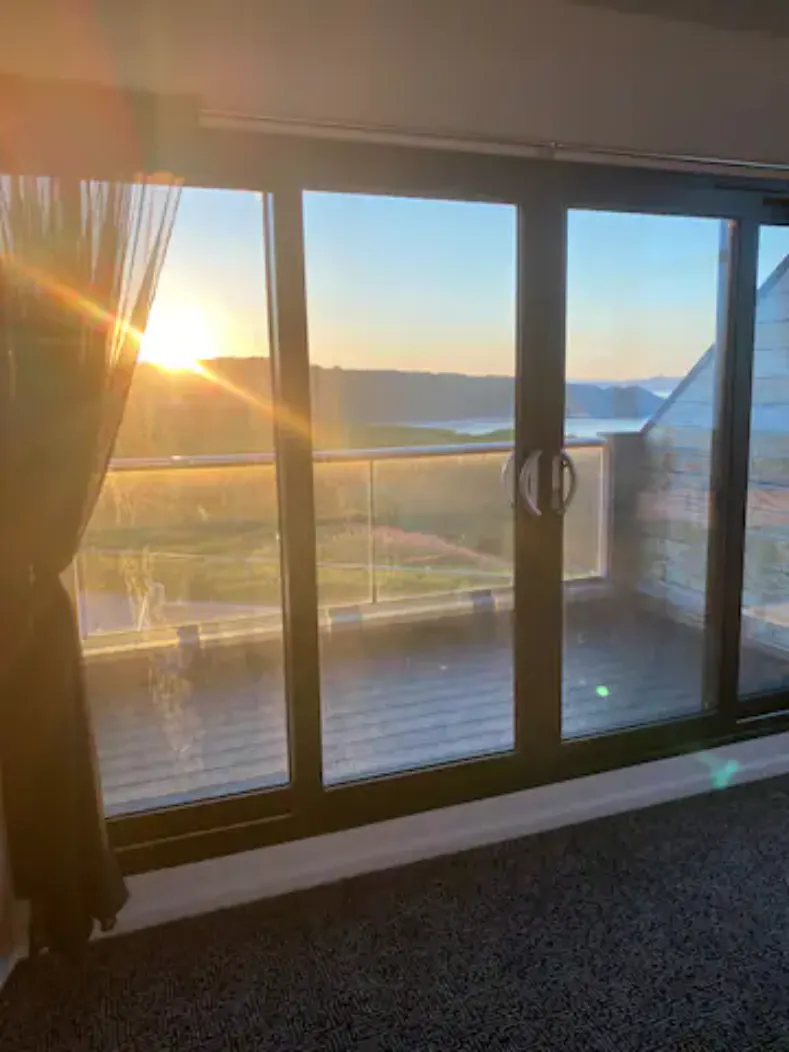
As hosts who welcome guests year-round at Castle Sunset, we always encourage a mindful, respectful approach to observing local wildlife. Nature here does not require grand expeditions or intrusive lenses; often, the most rewarding moments happen when you simply pause on a clifftop path, keep a quiet distance, and let the landscape unfold at its own relaxed pace. Whether you are looking out across the sweeping sands from our clifftop holiday home or exploring further afield, observing animals and seabirds on their own terms makes for a far richer, more meaningful holiday experience.
Embracing Ethical and Low-Impact Observation
Responsible wildlife watching begins with understanding that we are temporary guests in fragile habitats. Along our rugged cliffs, dramatic rocky shores, and sheltered bays, various species make their homes, breed, or stop during seasonal migration. The golden rule of low-impact observation is simple: never crowd, chase, or feed wild animals. Using binoculars or a camera zoom allows you to admire details up close without altering natural behaviours or causing unnecessary distress.
Nesting seabirds, such as fulmars, guillemots, and puffins found further north along the headlands, are particularly sensitive during spring and summer months. Keeping voices low, dogs securely on leads where requested, and sticking to established paths ensures that breeding pairs can tend to their young undisturbed. For comprehensive advice on local walking routes and conservation guidelines across our wider region, authoritative resources from the North York Moors National Park provide excellent insights into protecting our shared natural landscapes while enjoying the great outdoors.
Seasonal Highlights Along the Shoreline
Every season brings subtle shifts to the coastline, offering fresh opportunities for patient observers. Spring and early summer see the cliffs come alive with nesting activity and coastal wildflowers, while autumn and winter attract migrating waders and grey seals resting on quiet sandbanks. When exploring the intertidal rock pools exposed at low tide, it is fascinating to observe starfish, crabs, and small fish darting between fronds of seaweed. Always replace turned stones gently and leave marine creatures exactly where you found them, preserving the delicate balance of the rock pool ecosystem.
Early mornings and late afternoons are particularly magical times for spotting coastal wildlife. The lighting is soft, human activity along the paths is minimal, and animals are often much more active. Bringing along a lightweight pair of binoculars and a small field guide can transform a simple seaside stroll into an engaging journey of discovery.
For those planning day trips around the wider borough, official visitor portals such as Visit Scarborough offer wonderful pointers on seasonal nature events, coastal walks, and local heritage sites that celebrate our unique marine environment.
Staying Safe and Mindful on the Coast
The dynamic nature of the North Sea means that coastal environments demand respect and awareness. Tides turn quickly, clifftops can be windswept, and weather conditions change without warning. When heading down to the shore for a closer look at rock pools or coastal birds, always check local tide times and weather forecasts before setting out.
To ensure your coastal explorations remain safe and worry-free, we always recommend reviewing current beach safety guidance provided by the RNLI beach safety guidance. Pay close attention to local safety signage, avoid unstable cliff edges, and keep a safe distance from crashing waves. Enjoying the coast safely ensures that both you and our local wildlife can thrive side by side for generations to come.
Plan your Castle Sunset stay
After a restorative day exploring clifftop paths and watching the ebb and flow of the tide, return to the comfort of Castle Sunset in Cayton Bay, where you can unwind in the private hot tub, enjoy a game of pool or darts, or simply gaze out at the sweeping sea views before resting up for tomorrow's gentle adventures; check availability at Castle Sunset on the Beach.
Frequently asked questions
Is Castle Sunset on the Beach suitable for this type of coastal break?
Castle Sunset on the Beach sleeps up to eight guests across four bedrooms and has two bathrooms, a fully equipped kitchen, sea views, an enclosed garden, games, a private hot tub and free parking for up to three cars. It welcomes up to two well-behaved dogs. Check the current property details before booking.
What should I check before visiting the coast?
Read current local information, weather and tide information, follow beach signage and use current RNLI guidance near the water. If conditions change, choose a safer land-based plan.
How can I plan the dates?
Prices change by date, there's a £125 cleaning fee, and the minimum stay is 2 nights in winter, 3 at half-terms and Easter and 7 in the summer holidays; pick your dates in our booking calendar to see the exact price. You can check current availability before making plans.
For more coastal inspiration, browse the Castle Sunset Blog, explore local Things To Do, or contact us with a question about the property.
References
[1]: https://www.northyorkmoors.org.uk/things-to-do/walking "North York Moors National Park" [2]: https://www.visitscarborough.com/ "Visit Scarborough" [3]: https://rnli.org/safety/beach-safety "RNLI Beach Safety Guidance"
Tags
Written by
Phil Scaife
Phil is the owner of Castle Sunset on the Beach and has been hosting guests on the Yorkshire Coast for over five years. He knows Scarborough and Cayton Bay inside out — from the best hidden beaches to the quietest parking spots. When he's not hosting, he's usually walking the Cleveland Way or sampling the local fish and chips.
More posts by Phil →You Might Also Like

Planning a Coastal Food-Focused Weekend in Scarborough
A food-focused weekend by the coast does not need a restaurant reservation for every meal. Use Scarborough’s seaside setting as inspiration, mix local eating with relaxed self-catering and leave room for the unexpected.
Read more
How to Spend 48 Hours in Scarborough at Your Own Pace
Two days by the Yorkshire coast do not need a packed timetable. This flexible 48-hour Scarborough itinerary helps couples, families and friends balance a little exploring with proper time to slow down at Castle Sunset on the Beach in Cayton Bay.
Read more
Rainy Day Scarborough Ideas for Coastal Holidays
When coastal weather turns wet during your North Yorkshire holiday, a rainy day in Scarborough doesn't mean indoor boredom. At Castle Sunset in Cayton Bay, our clifftop beach retreat offers the perfect sanctuary. From relaxing in the private hot tub and enjoying competitive games in the games room to exploring cozy local spots supported by Visit Scarborough, here is how to make the most of wet-weather days.
Read more